ThrillStay
Plan your stay
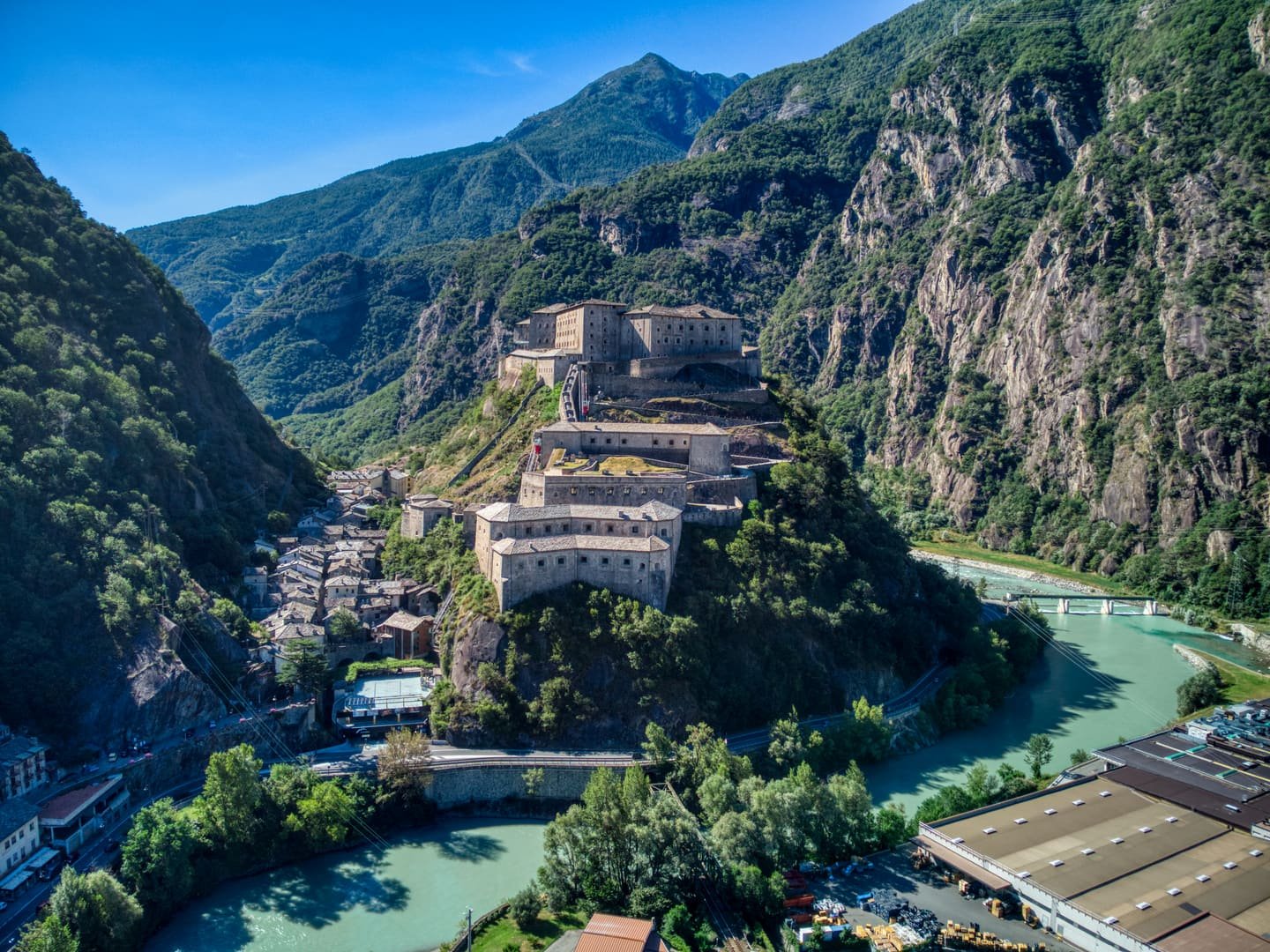
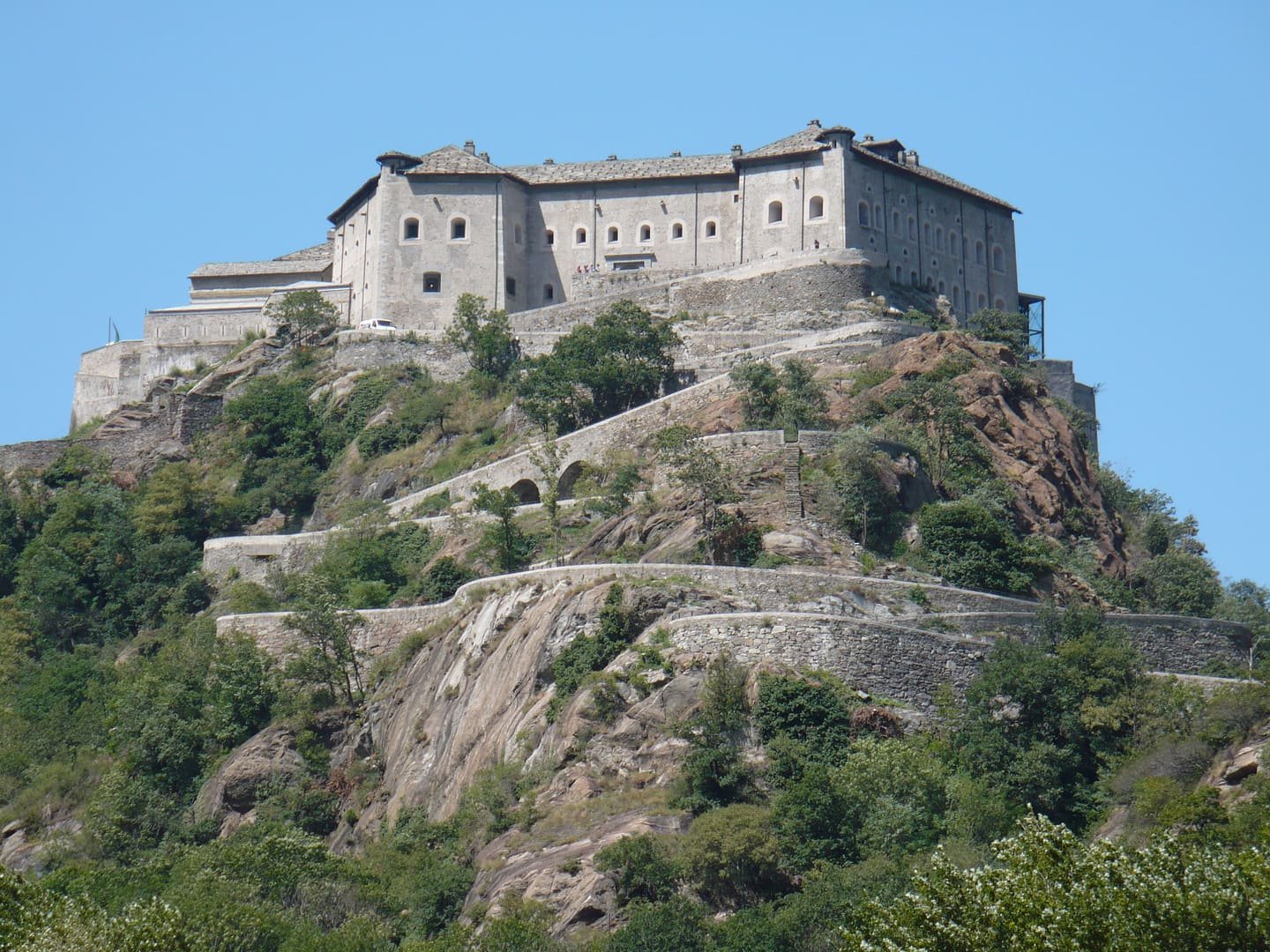
Forte di Bard standing above the village and river below

Experiences

A ROMAN CITY
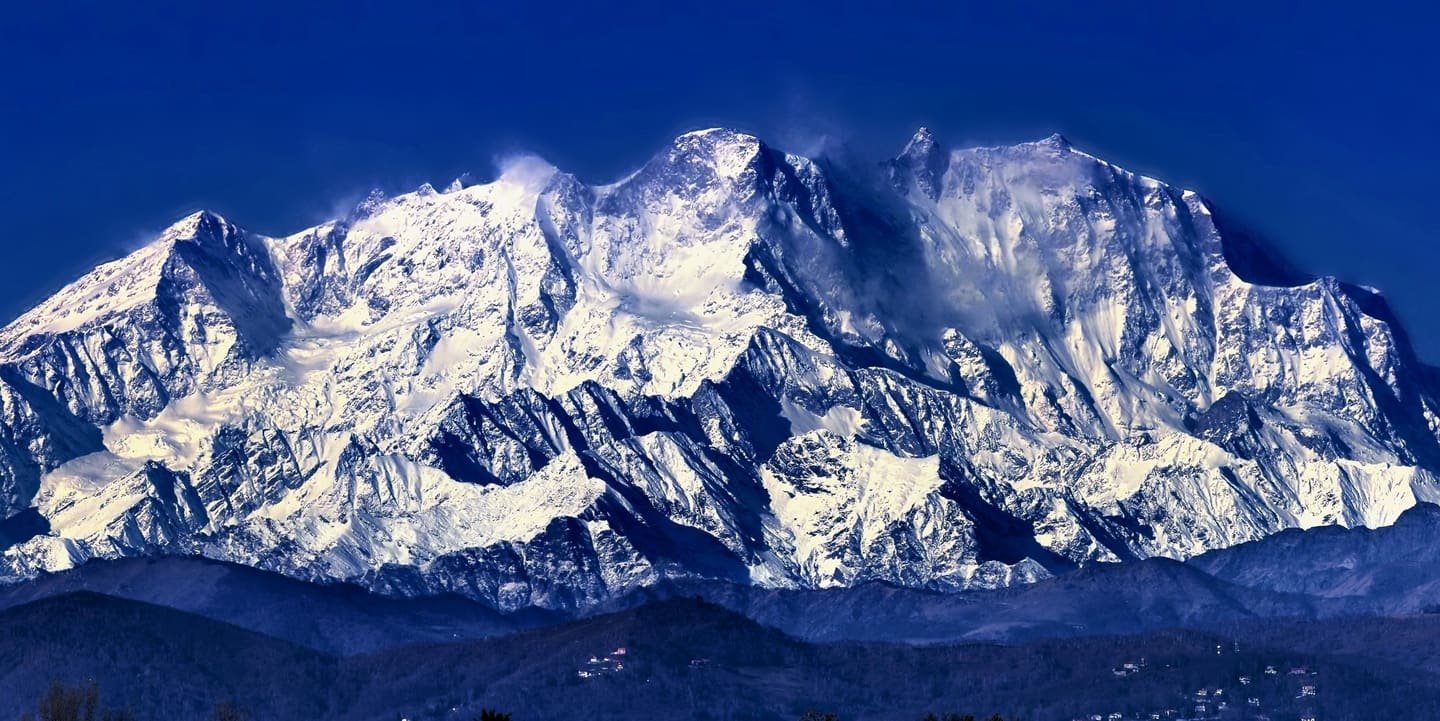
BENEATH FOUR
GREAT MASSIFS.

Good restaurants, high vineyards, Fontina cellars, medieval castles, Roman streets, a craft fair that has filled Aosta for centuries and villages that still have a life of their own. The useful part is knowing what deserves a place in your week.

The Table

Mountain food.
Serious wine.

The local kitchen starts with cheese, cured meat, rye, butter and what grows at altitude. The restaurant scene goes much further than that, and the wine is one of the valley’s best surprises. And a wine scene almost nobody outside Italy knows about.

5 experiences

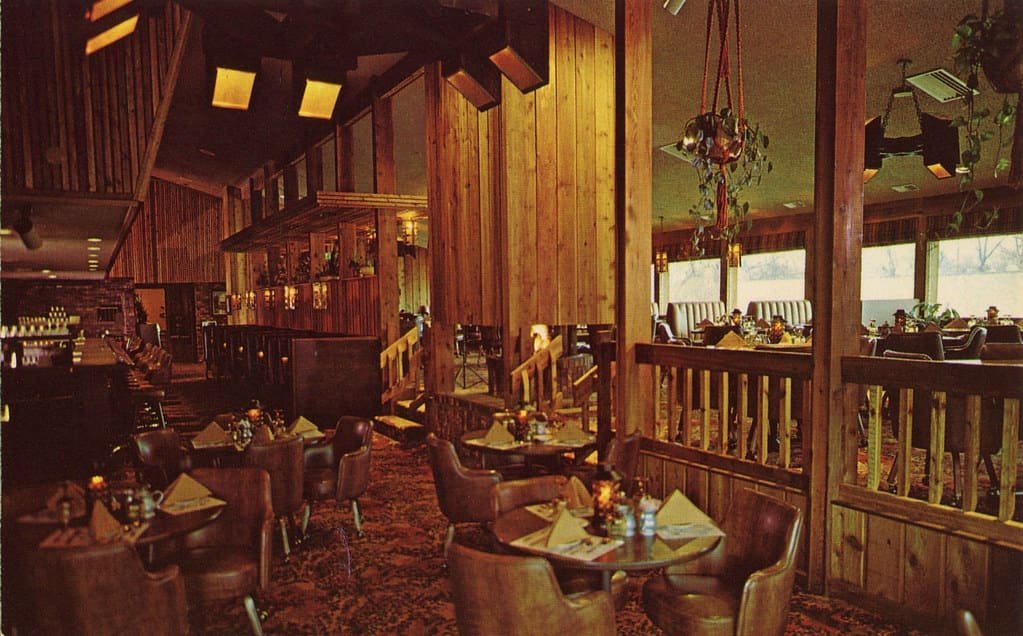
A wood-panelled alpine dining room laid for service
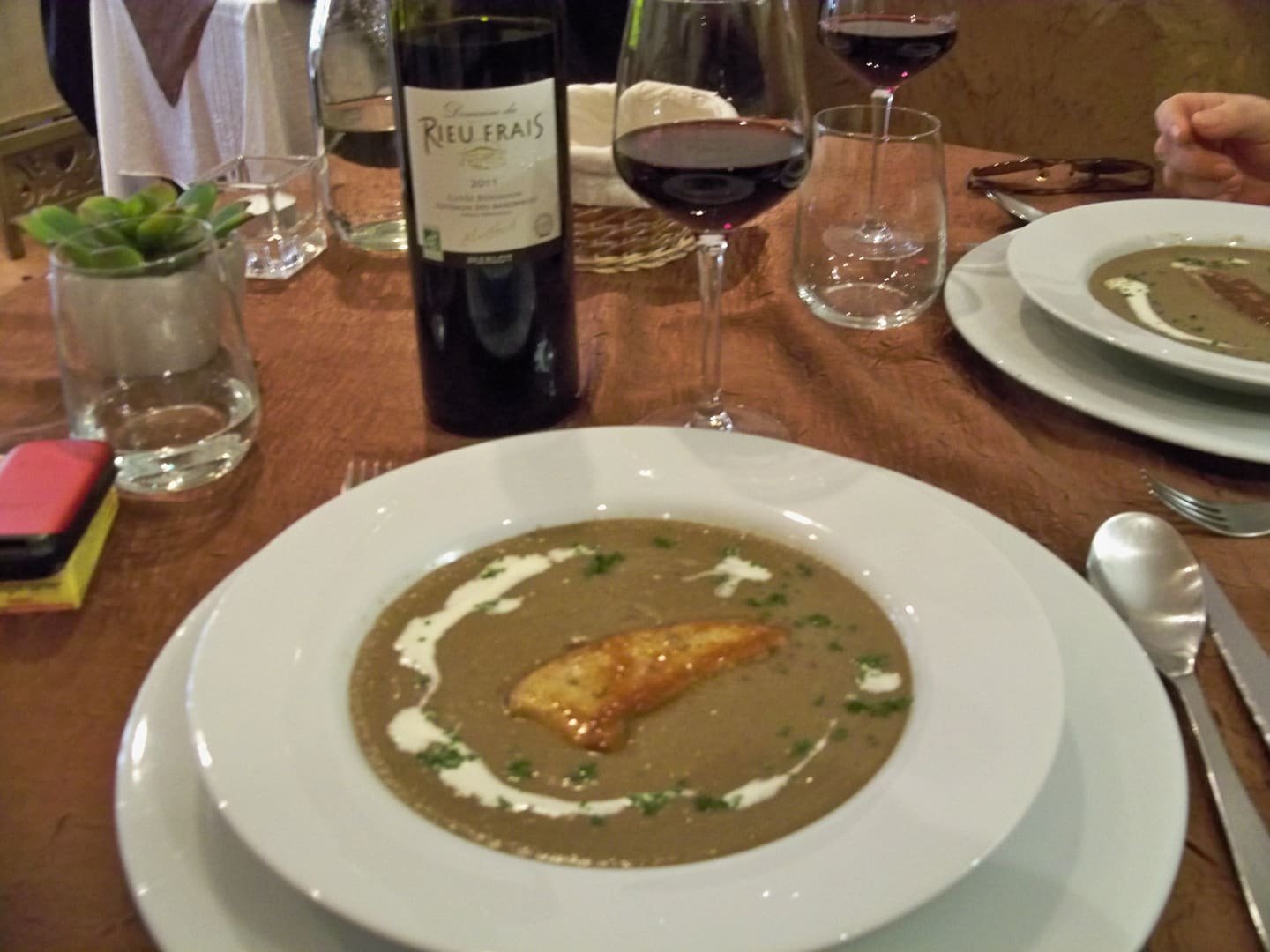
Soup and a glass of red wine on a wooden table
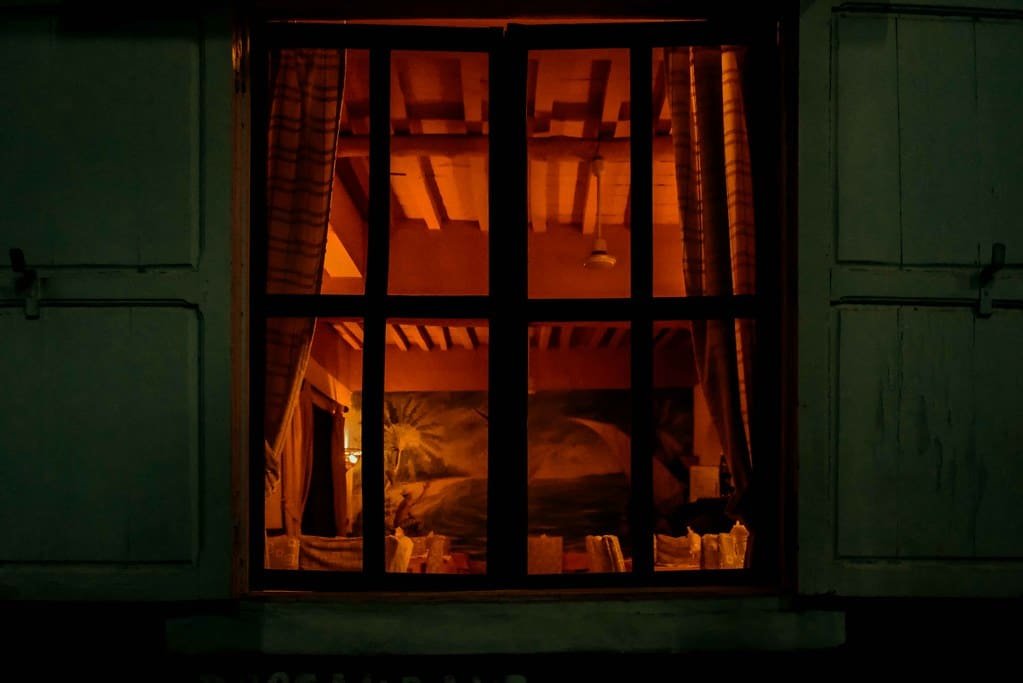
A warmly lit window at night in a timber building

Alpine Fine Dining

The region holds four Michelin-starred restaurants — Vecchio Ristoro and Paolo Griffa al Caffè Nazionale in Aosta, Wood in Cervinia, Le Petit Bellevue in Cogne — plus a generation of young chefs reworking mountain cooking. We book, we brief the kitchen, and we tell you which room actually suits the evening you had in mind.

Refuge Lunches

The most honest food in the Alps is served at 2,200 m on a wooden terrace. Polenta concia, carbonade, seupa à la Valpellinentze, and a bottle of Torrette. Reached on skis, on foot, or by snowcat.

Private Chef at Home

A chef in your chalet for one night or every night, cooking a tasting menu or exactly what your children will actually eat.

Dining at Altitude

Snowcat dinners to a mountain restaurant after the lifts close, a table set on a glacier terrace at 3,466 m, or a gourmet picnic carried to a col by your guide.

Market & Cooking Days

Aosta market with a chef, then a hands-on session making gnocchi alla bava, polenta concia and tegole di Aosta.

Tastings & Producers

Wine, Fontina and
the people who make them.

Europe's highest vineyards, a DOP cheese aged in mountain tunnels, and a liqueur made from a flower that grows above 2,000 m.

6 experiences

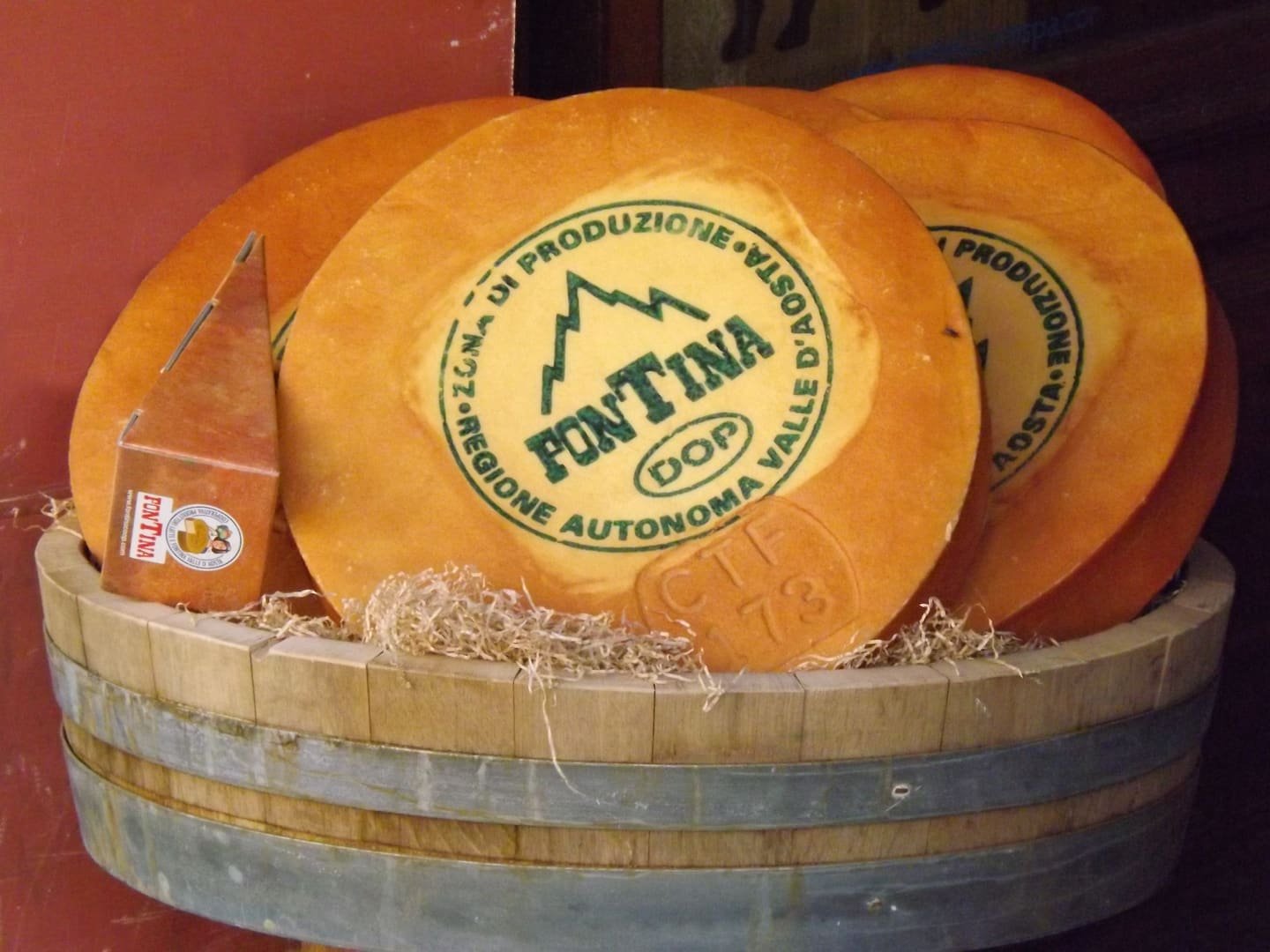
Wheels of Fontina DOP stamped with the consortium mark
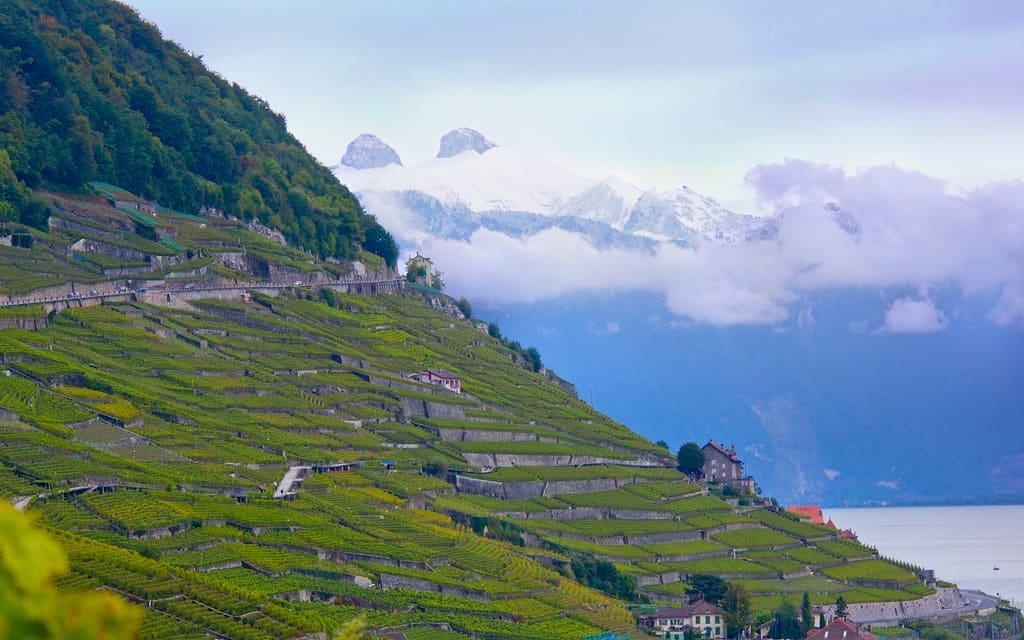
Vines above the Aosta valley floor, with a castle and the mountains behind under storm light
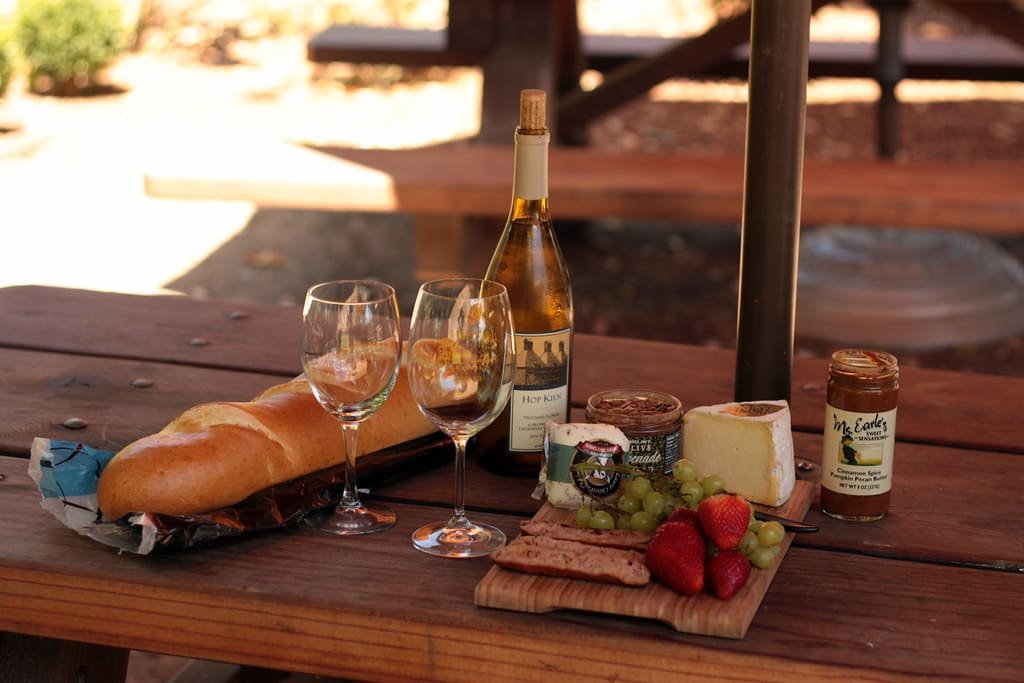
Glasses, bread and cheese set out for a tasting on a wooden table

Vallée d'Aoste Wines

From Petite Arvine and Fumin to Torrette, Nus Malvoisie, Chambave Muscat, Enfer d'Arvier and Donnas, grapes and appellations change quickly from slope to slope — tasted with the growers, on terraces held up by dry-stone walls.

Blanc de Morgex et de La Salle

Prié Blanc growing at up to 1,200 m beneath Mont Blanc — among the highest vineyards in Europe, and a genuinely singular wine. Altitude and local conditions have allowed some ungrafted vines to survive here, now rare in the Alps.

Fontina DOP (PDO)

A dairy visit at first milking, then down into an ageing cellar where wheels are turned and brushed by hand. Tasted young, mature, and melted into fonduta.

Cured Meats & Mountain Larder

Jambon de Bosses DOP cured at 1,600 m, Lard d'Arnad DOP aged in brine in chestnut boxes, motzetta, Fromadzo DOP and mountain honey.

Genepì & Distillates

Genepì is made from alpine Artemisia; at the distillery you taste the liqueur, alongside grappa and herbal infusions.

Caffè alla Valdostana

Coffee, grappa, lemon peel and sugar, set alight and passed around a carved wooden coppa dell'amicizia — the friendship cup — a wooden friendship cup with several spouts, passed around the table. A ritual, not a drink.

Castles & Heritage

Rome, castles,
and older still.

Roman streets, medieval strongholds and Saint-Martin-de-Corléans — a Roman city and a wall of castles guarding the road to the Alps, and a megalithic site whose ritual ploughing is dated to around 4,200 BC, older than the first stones at Stonehenge.

7 experiences

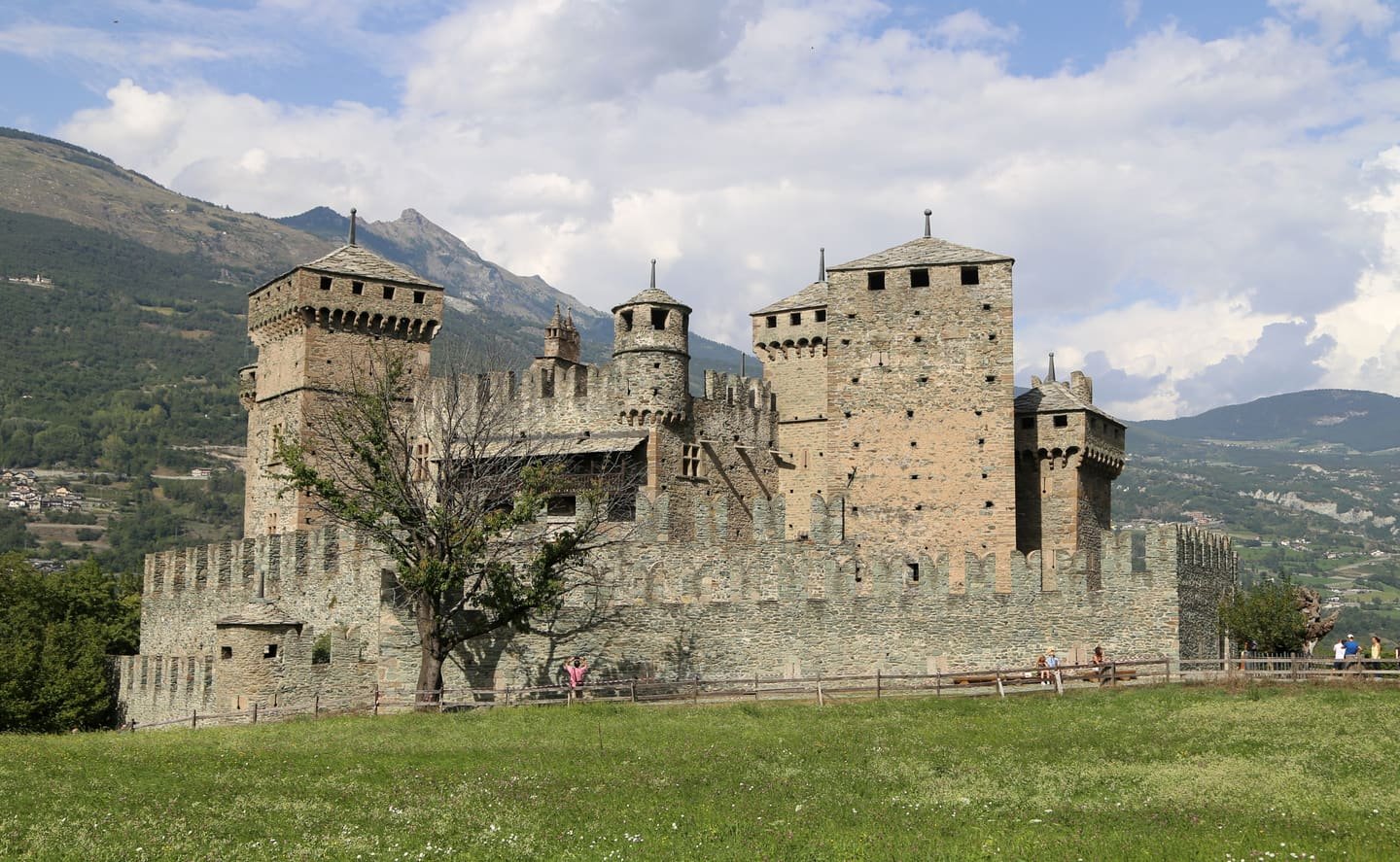
The double curtain walls and towers of Fénis Castle
The tiered ramparts of Forte di Bard on its rock
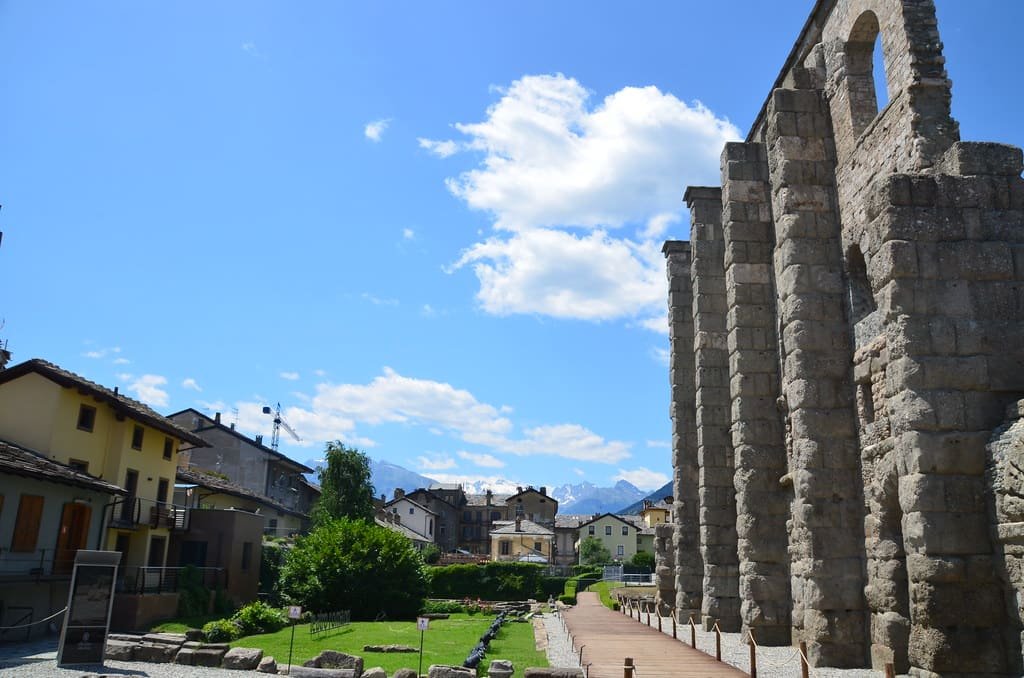
The tall arched façade of the Roman theatre in Aosta

Fénis Castle

The image everyone has of a medieval castle — double curtain walls, swallowtail battlements and a frescoed courtyard staircase. One of the best-preserved of the castles linked to the Challant family.

Forte di Bard

A vast fortress blocking the valley's narrowest point, rebuilt by the House of Savoy in 1830–38 after Napoleon's army was held up by its predecessor in 1800 and razed it. Now home to the Museum of the Alps; more recently it stood in for Sokovia in Avengers: Age of Ultron.

Roman Aosta

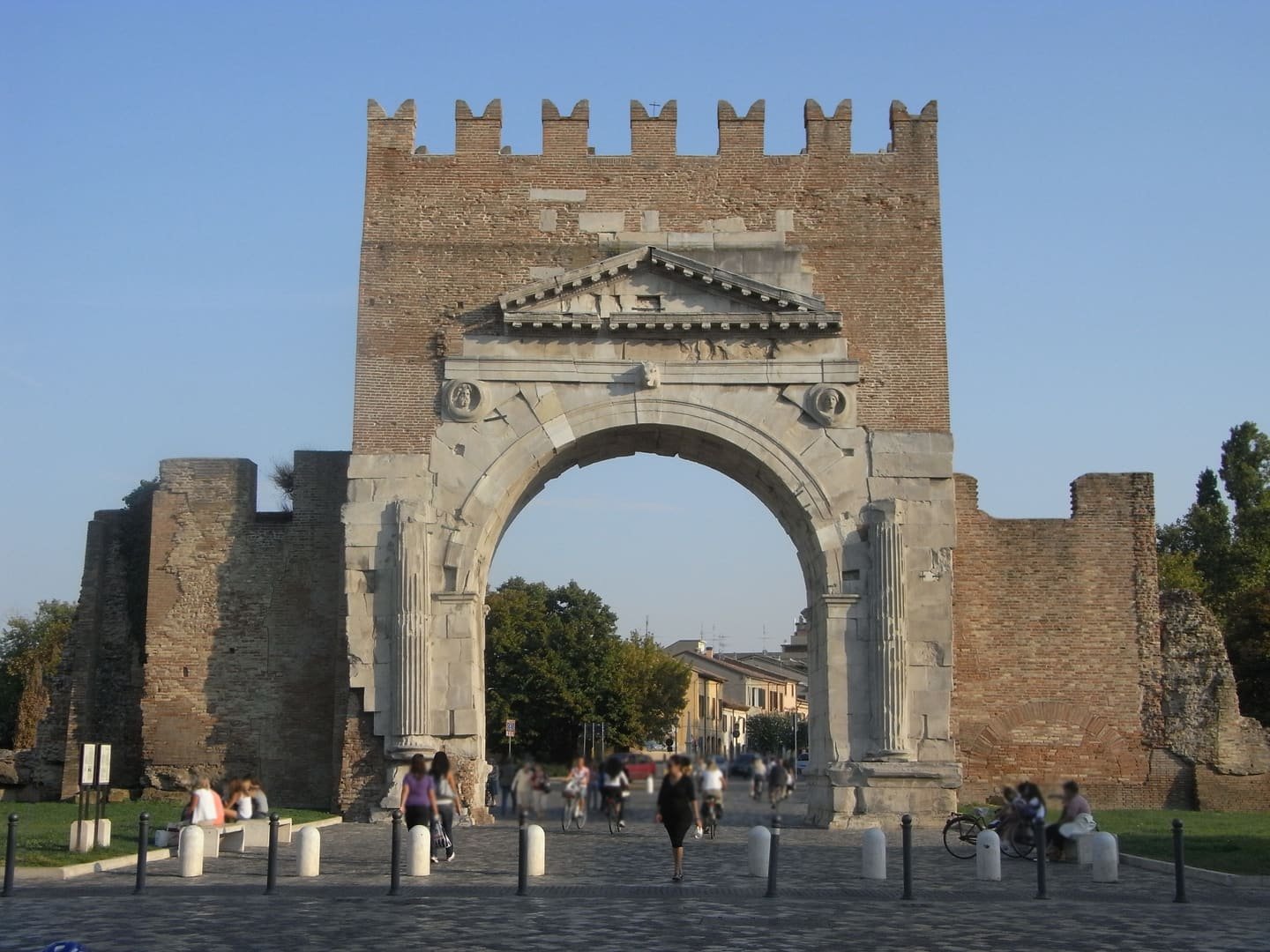
Augusta Prætoria Salassorum, founded 25 BC. The Arch of Augustus, the Porta Prætoria, the Roman theatre façade, the cryptoporticus beneath the forum and the Pont d'Aël aqueduct bridge still standing after two thousand years.

Saint-Martin-de-Corléans

An extraordinary megalithic area beneath modern Aosta — anthropomorphic stelae, ritual ploughing furrows and monumental tombs from the third millennium BC, displayed in situ under an award-winning museum.

The Castle Road

Sarre, Issogne, Verrès, Aymavilles, Ussel, Saint-Pierre and Castel Savoia at Gressoney-Saint-Jean — each with a different story, visited in a single well-planned day or spread across a week.

Sacred Aosta

The Collegiate Church of Sant'Orso with its Romanesque cloister and carved capitals, the cathedral's mosaic floors and treasury, and the hospice at the Great St Bernard Pass.

Walser Villages

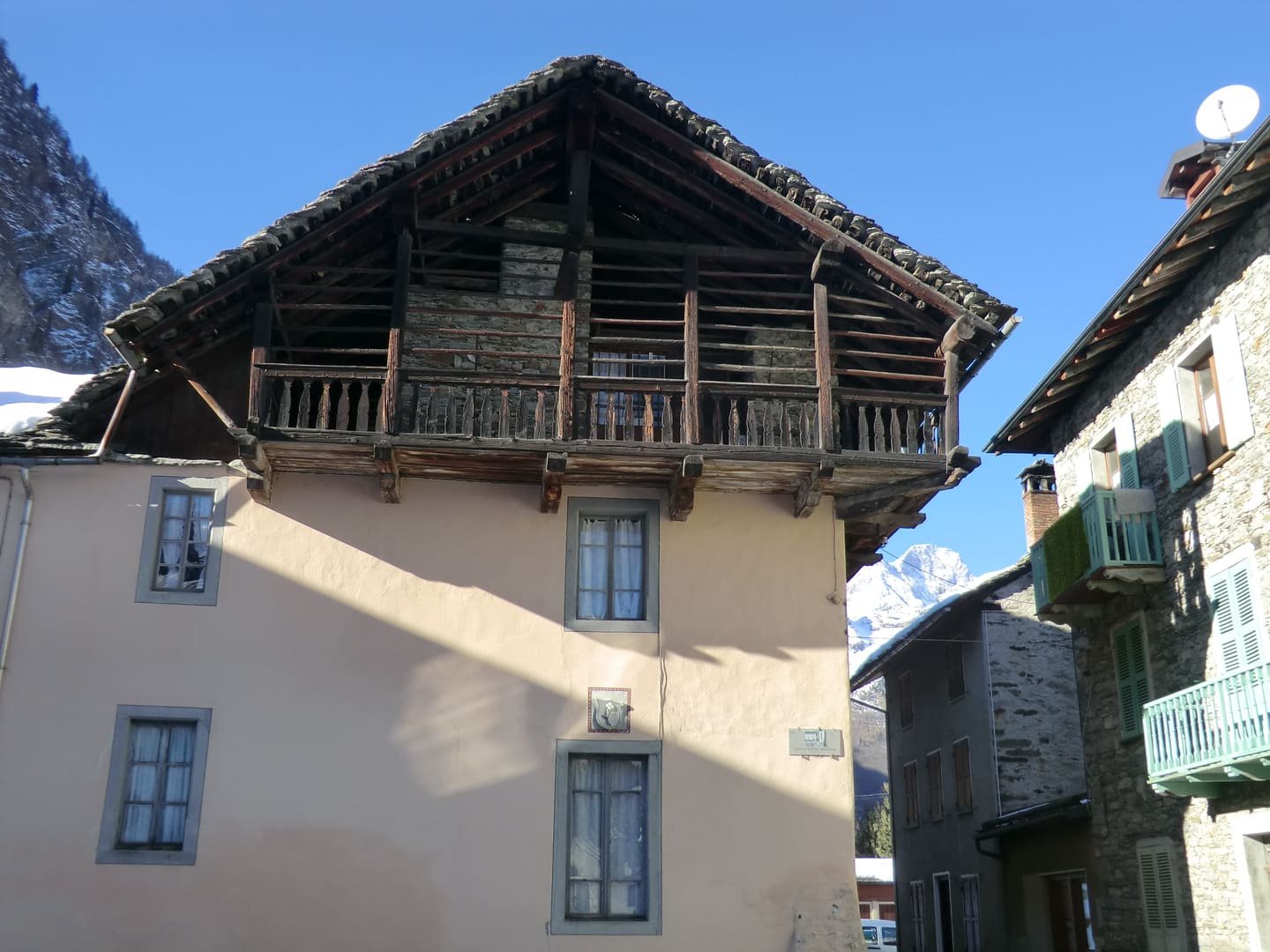
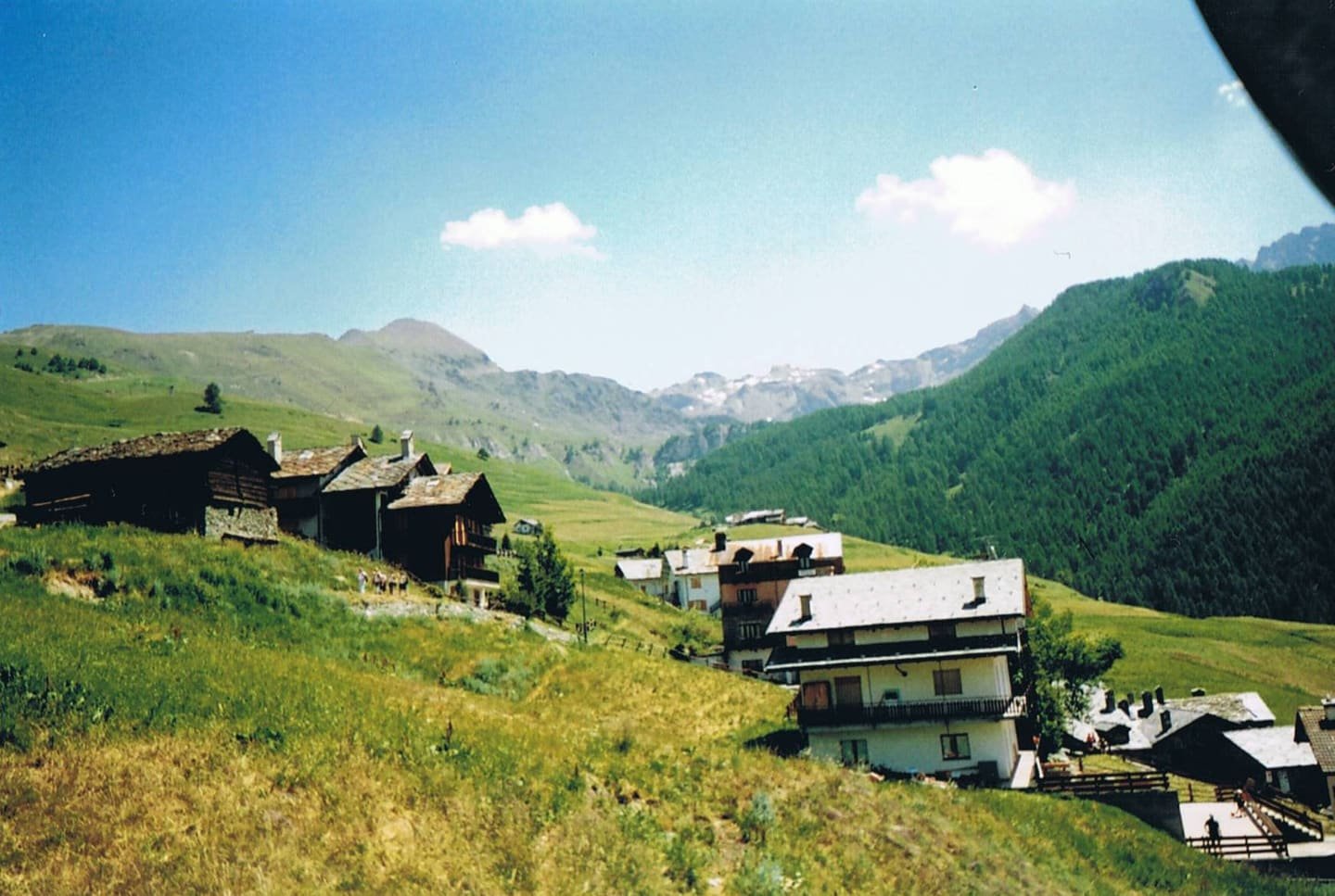
Timber-and-stone settlements in Gressoney, Issime and Alagna. Walser communities crossed from the Valais over the high passes in the Middle Ages; their language, architecture and traditions are still visible in Gressoney and Issime.

Living Culture

Not staged
for visitors.

Sant’Orso, Walser villages, workshops and traditions that still belong to local life, not to a visitor programme. This is what the valley does anyway — we simply get you in.

6 experiences

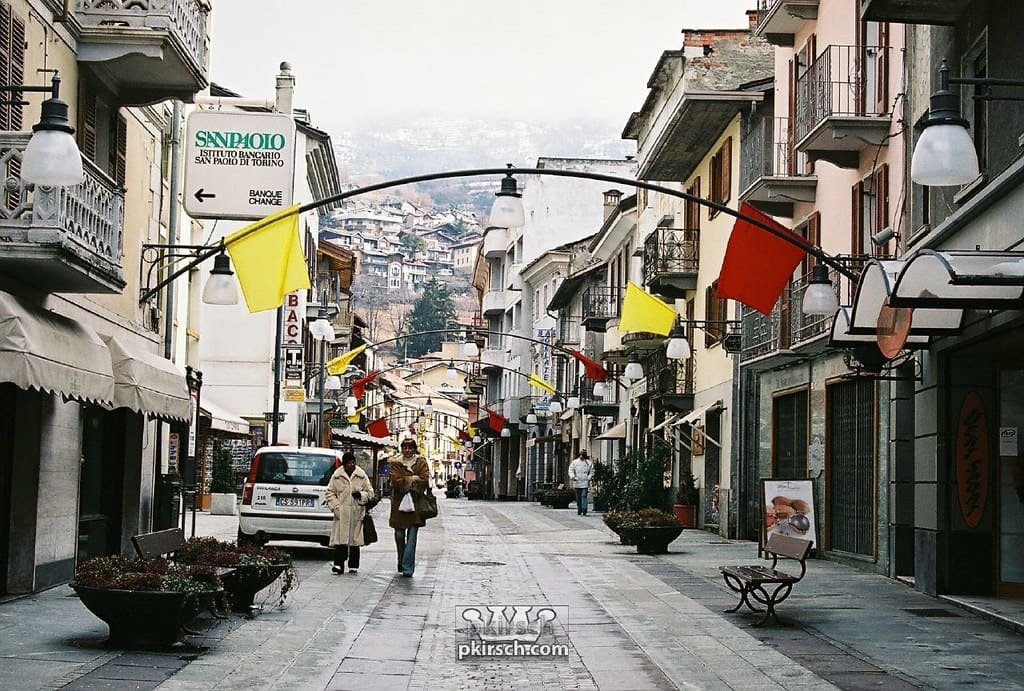
Piazza Chanoux and the civic palace in the centre of Aosta
A traditional timber granary raised on stone staddles
The Arch of Augustus in Aosta

Fiera di Sant'Orso

Every 30 and 31 January, a craft fair whose roots go back a thousand years fills the streets of Aosta with woodcarvers, soapstone workers, lace makers and drap weavers, through a night that does not stop. A tradition traced locally for more than a thousand years.

Carnival of the Coumba Freida

In the villages below the Great St Bernard, masked landzette in extraordinary costumes parade house to house — a carnival tradition tied to the passage of Napoleon's army.

Bataille des Reines

The valley's traditional contest between Valdostana cows establishing herd hierarchy — a traditional strength contest between cows, and a deeply local event whose final fills the Croix-Noire arena at Saint-Christophe each October.

Marché Vert Noël

The Christmas market moves into central Aosta each winter; the site and layout change with the edition, and for 2026/27 Piazza Chanoux is central to it.

Craft Workshops

Time at the bench with a woodcarver, a soapstone worker or a lace maker from Cogne — making something badly, with your hands, alongside someone who does it beautifully.

Language & Patois

A region where Italian and French are both official, and where Franco-Provençal — locally called patois — and Walser dialects such as Titsch and Töitschu are still spoken. We can arrange an evening of stories in the region’s historic languages, with translation.

From Above

More than one way to get
the whole valley in view.

Balloon, paraglider, helicopter or Skyway. Four 4,000 m giants ring this valley and there is more than one way to meet them.

5 experiences

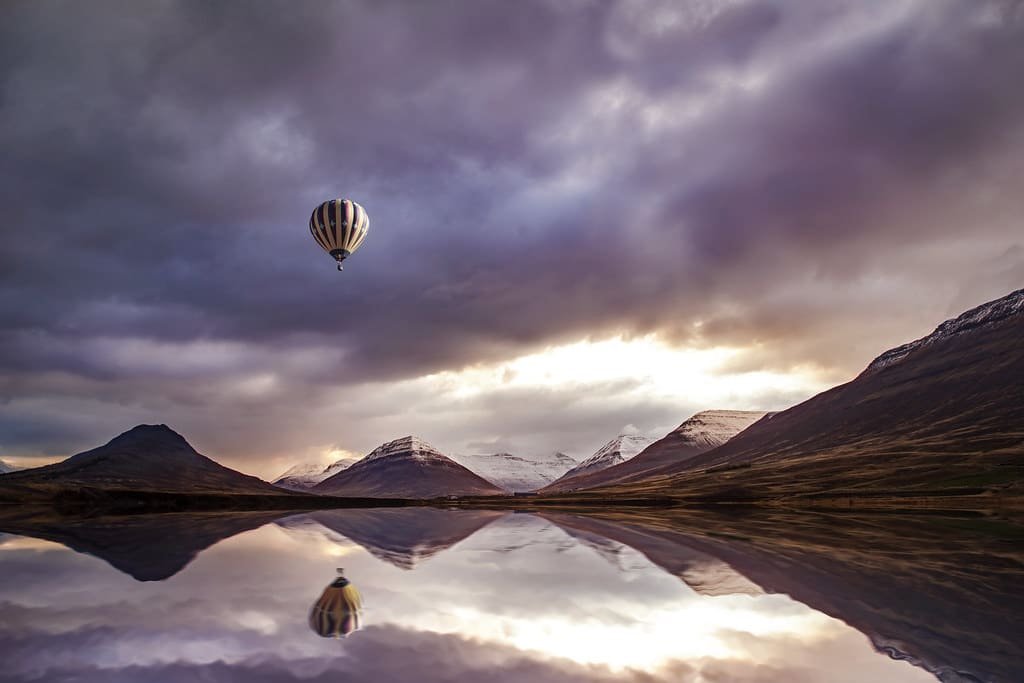
A hot-air balloon flying below a snow-covered alpine face in low winter sunlight
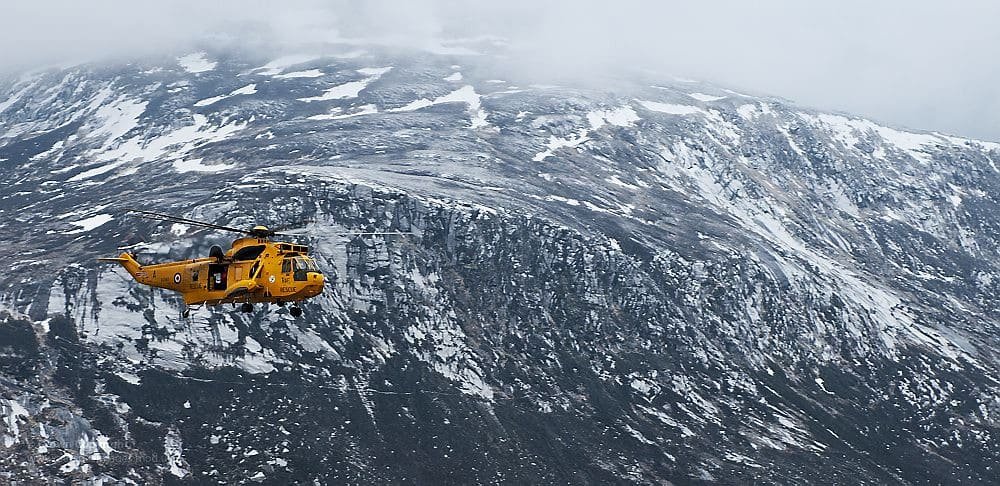
A helicopter flying low over a crevassed glacier
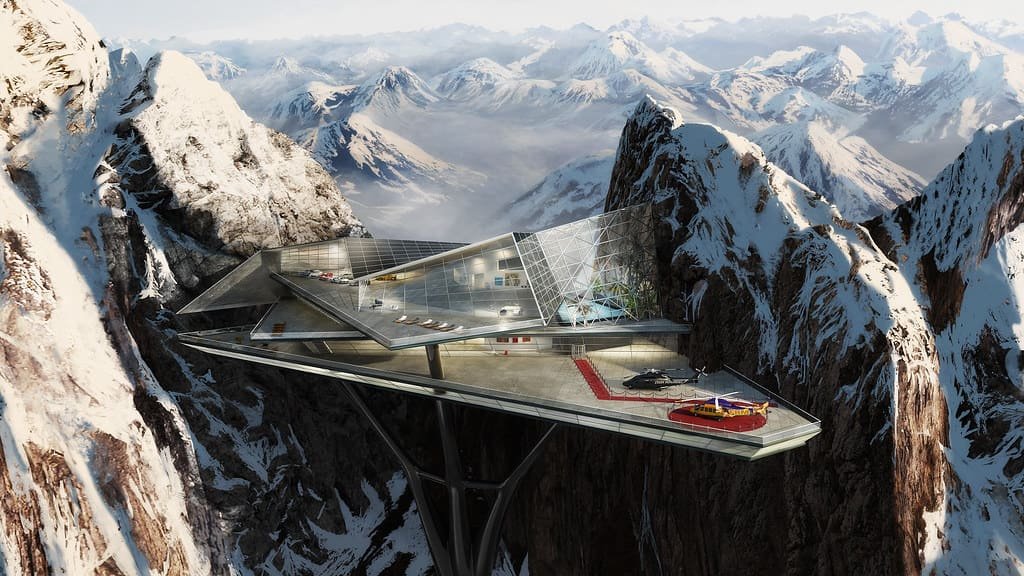
A glass viewing platform cantilevered from a high rock summit

Helicopter Circuits

Twenty minutes around Mont Blanc, or a full hour taking in all four giants, with a landing at altitude only where operator, location, permissions and conditions allow — and, when they do, a toast on the snow.

Hot-Air Ballooning

A first-light winter launch from the valley floor, drifting silently while the peaks turn from grey to rose to white.

Skyway Monte Bianco

Rotating cabins to Punta Helbronner at 3,466 m, with a botanical garden on the way up and lunch at the top.

Tandem Paragliding

Twenty to forty minutes above the Aosta basin — one of the most dependable flying sites in the Alps.

Saint-Barthélemy Observatory

The regional astronomical observatory at Lignan, high above the valley with genuinely dark skies. Evening sessions on the telescopes, solar observation by day, and a planetarium for a cloudy night.

Slow Days

Not every day
needs a summit.

Not every day should have a summit in it.

6 experiences

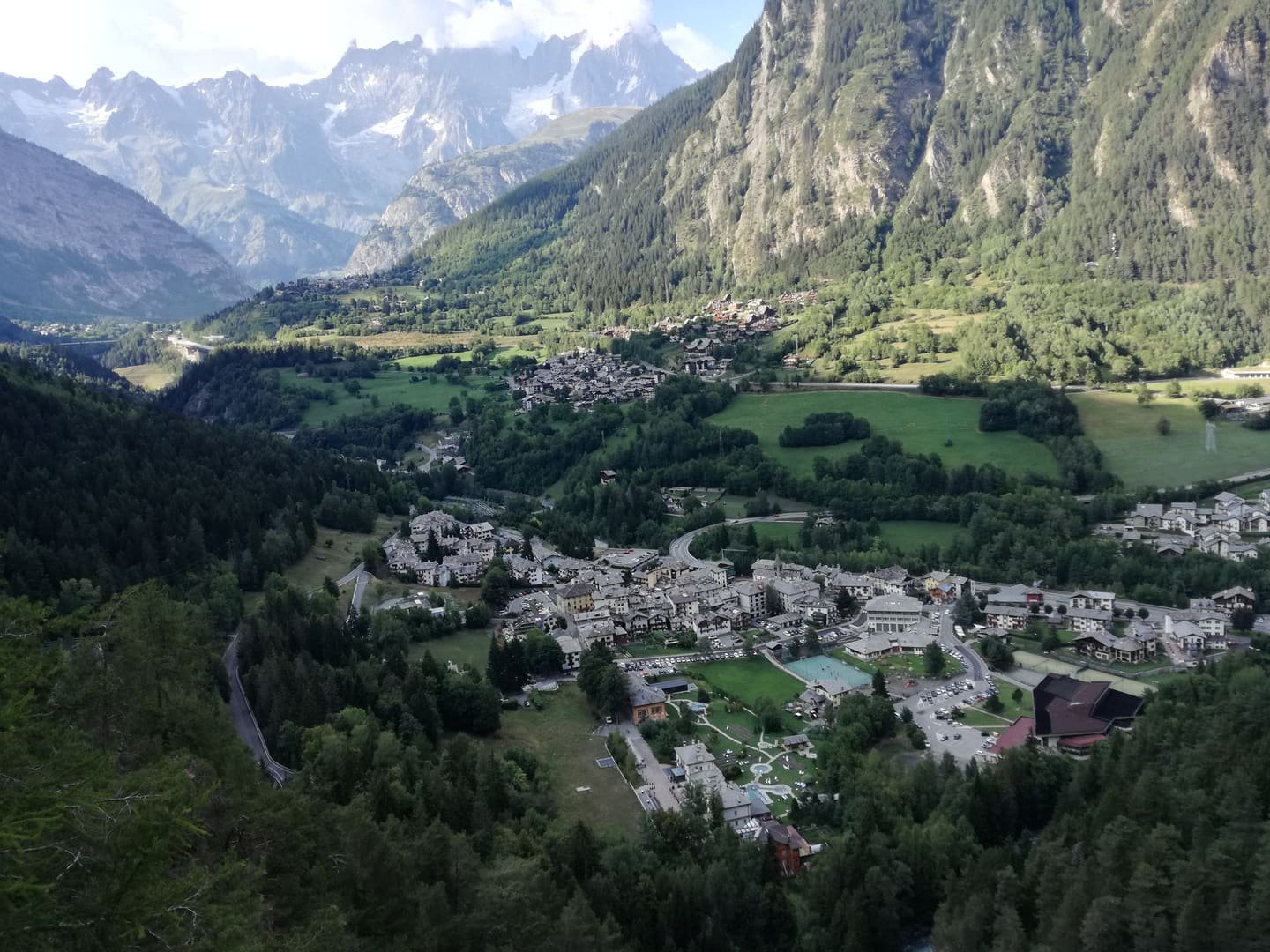
The thermal village of Pré-Saint-Didier seen from the slopes above
A cluster of dark timber houses on a green alpine slope
Moonlight over a frozen lake beneath snow-covered mountains

Thermal Afternoons

Pré-Saint-Didier under Mont Blanc, or Saint-Vincent in the lower valley — with the transfer handled so nobody has to drive.

Alpeggio Mornings

Up before the light with a herder at a summer pasture: milking, cheese-making in a copper cauldron over wood, and breakfast where it was made.

Forest Bathing

Guided slow walks in the larch and Arolla pine woods of Gran Paradiso — deliberate, quiet, and surprisingly hard for people who normally move fast.

Chamois, the Car-Free Village

A hamlet at 1,815 m, closed to cars by choice since 1955 and reached by cable car, on foot, or by Italy's first altiport, opened in 1967. An afternoon that resets your nervous system.

Casino de la Vallée

Saint-Vincent's casino, easily paired with the thermal baths and a good dinner in the lower valley.

Golf at Altitude

Courmayeur beneath Mont Blanc, the Aosta courses on the valley floor, and the eighteen holes at Cervinia sitting close to 2,000 m.

Most of these are not bookable online.

A cellar visit with the winemaker, an alpeggio morning with a herder, a castle opened outside its hours, a table at the fair in January. That is what a local concierge is for.

WhatsApp us